
The Historical Accuracy of Gladiator: Fact vs. Fiction
Ridley Scott's 2000 film "Gladiator" has captivated audiences with its epic portrayal of ancient Rome, featuring intense battle sequences and rich character development. The film's protagonist, Maximus Decimus Meridius, played by Russell Crowe, seeks vengeance against the corrupt emperor Nero and ultimately becomes a gladiator. While the film is a riveting tale of honor and betrayal, the question arises: how much of it is rooted in actual historical fact? In this blog, we will delve into the historical accuracy of "Gladiator," comparing its narrative with historical records and highlighting its notable departures from reality.
Historical Context and Characters
The film is set during the reign of Emperor Marcus Aurelius, who ruled from 161 to 180 AD. Many elements surrounding his character are fairly accurate; Aurelius was known for his philosophical outlook and authored “Meditations,” reflective of Stoic philosophy. However, in the film, he is depicted as wanting to return power to the Roman Senate, a historic shift that never came to fruition. Additionally, while Commodus, portrayed by Joaquin Phoenix, did become emperor after Aurelius's death, the portrayal of their relationship is largely fictionalized. In reality, the relationship was complex, marked by both admiration and conflict, yet not to the extent of the film's dramatic rivalries.
The Life of Gladiators
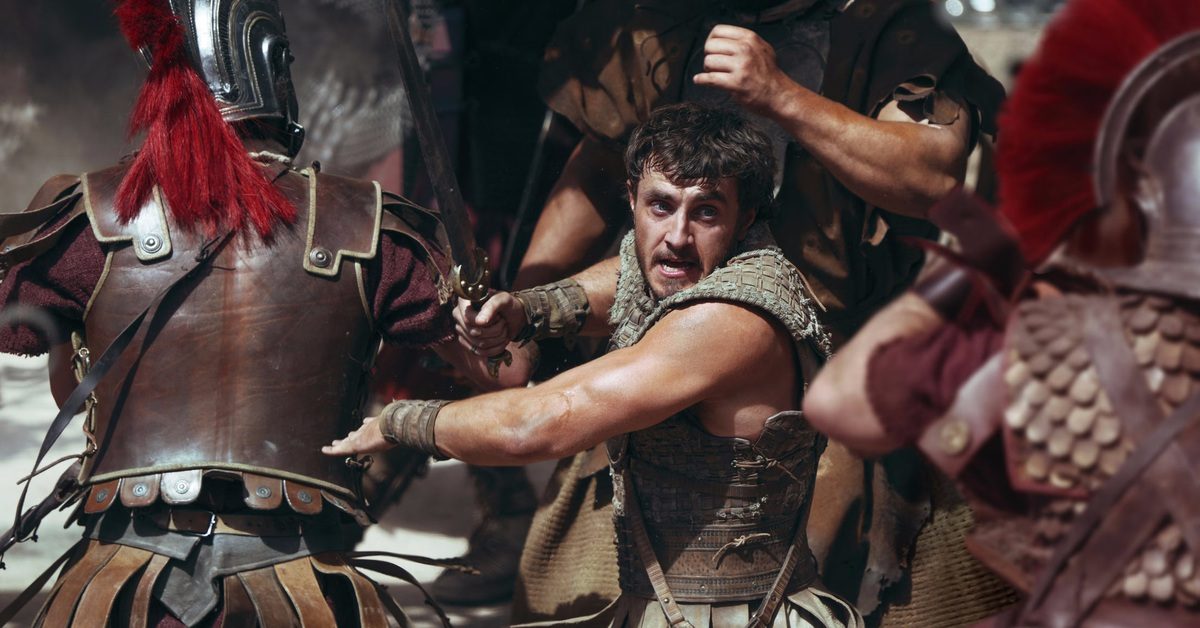
In "Gladiator," we see a romanticized version of the life of gladiators, with a focus on their valor and noble struggle for freedom. However, historical records suggest that the life of a gladiator was often harsh and brutal. Most gladiators were slaves or prisoners of war, trained to fight in brutal spectacles for public entertainment. The film's depiction of gladiator fights as honorable combat, reminiscent of knights in shining armor, is a far cry from reality. Gladiators often fought to the death for the amusement of the crowd, with survival rarely being guaranteed, and many never achieved the fame that the film ascribes to them.
The Role of the Gladiator Store
To deepen the fan experience, various merchandise avenues like the "Gladiator Store" emerged, celebrating the film’s legacy. The store offers a wide range of memorabilia, from replica weapons to costume pieces that capture the allure of the gladiatorial age portrayed in the film. While these items evoke a sense of nostalgia and connection to the film, they often romanticize the brutal lifestyles of ancient gladiators. Merchandise such as replica armor and swords serve as physical reminders of the film's themes but gloss over the truth of what life was like for those who fought for survival in the arena.
Legacy and Modern Perspectives
Despite its historical inaccuracies, "Gladiator" has had a lasting impact on popular culture and the public’s perception of ancient Rome. The film ignited a resurgence of interest in Roman history, leading to a renewed fascination with the gladiatorial period. Whether viewed as a sensationalized version of history or a piece of entertainment, the film has opened doors for discussions surrounding the complexities of power, honor, and the fight for freedom. Filmmakers approaching historical narratives often take creative liberties, and while "Gladiator" may not be a textbook account, it certainly has encouraged audiences to explore the true history behind the myth, including the infamous gladiators who battled in the Colosseum.


