
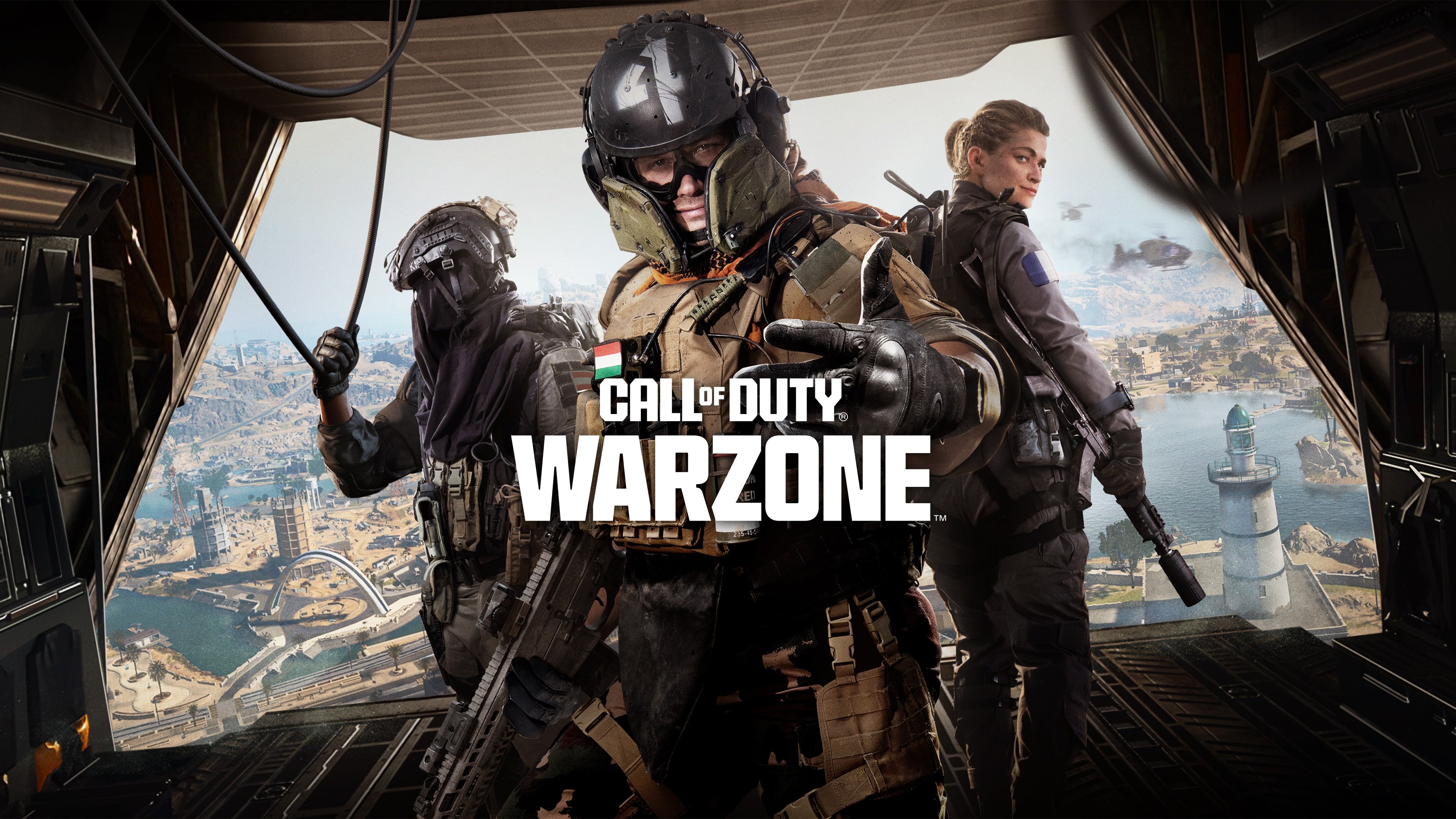
Call of Duty and Esports The Rise of Competitive Gaming in the Franchise
Call of Duty has established itself as one of the most iconic franchises in the gaming world since its inception in 2003. Originally launched as a World War II shooter, the series has expanded to encompass various settings, storylines, and gameplay innovations, appealing to a broad audience of players. However, one of the most significant developments in recent years has been the rise of competitive gaming, or esports, within the Call of Duty ecosystem. This evolution has not only elevated the franchise's status but has also created a dynamic environment where players can showcase their skills on a global stage.
The Birth of Competitive Call of Duty
The competitive gaming scene for Call of Duty began to take shape as early as the mid-2000s, with community-run tournaments and local competitions gaining traction. However, it wasn't until the launch of Call of Duty 4: Modern Warfare that organized esports began to flourish. With its fast-paced gameplay and a plethora of tactical opportunities for players, the game became a favorite for competitive matches. Major events started to emerge, and teams formed around skilled players, leading to a community hungry for competitive play, sponsorships, and recognition.
The Establishment of Leagues and Tournaments
The Call of Duty Championship in 2013 marked a significant milestone for the franchise as it became the first official tournament hosted by Activision. This event laid the foundation for organized competitive play and attracted numerous players and fans alike. Following its success, the Call of Duty League (CDL) was established in 2020, creating a robust structure for professional teams, players, and fans to engage with the game. The CDL features franchises that represent cities, each boasting its roster of elite players competing for substantial prizes and championship glory. The rise of leagues has helped standardize competitive play, ensuring fair competition and fostering player camaraderie.
The Role of Streaming and Online Communities
As Call of Duty esports gained popularity, so did the importance of streaming platforms like Twitch and YouTube in promoting and broadcasting competitive matches. These platforms have made it easier for fans to follow their favorite teams and players, creating a dedicated viewership that fuels the growth of esports. Additionally, content creators and streamers have capitalized on the game's popularity, sharing tips, gameplay highlights, and insights that contribute to the overall culture surrounding Call of Duty. The influence of online communities cannot be understated as they help build hype around tournaments and engage new players to enter the competitive scene.
Exploring the Call of Duty store
In addition to competitive gaming, the Call of Duty franchise has embraced the commercialization of esports through the Call of Duty store, which offers a range of merchandise, in-game content, and seasonal battle passes. Players can purchase exclusive skins, operator bundles, and various cosmetic items that enable them to personalize their gaming experience. More importantly, the store often features collaborations with professional teams, allowing fans to support their favorite franchises through in-game purchases. The revenue generated can often be reinvested into the esports ecosystem, supporting tournaments and further growing the competitive landscape.
The rise of competitive gaming in the Call of Duty franchise is a testament to the franchise's adaptability and the thriving community that surrounds it. With new titles continuing to push the boundaries of gameplay and more robust infrastructures for professional competition, Call of Duty esports is positioned to grow even further. As players compete for recognition and glory, they contribute to a culture that celebrates not just the game itself, but the sheer thrill of competition in a digital age.


